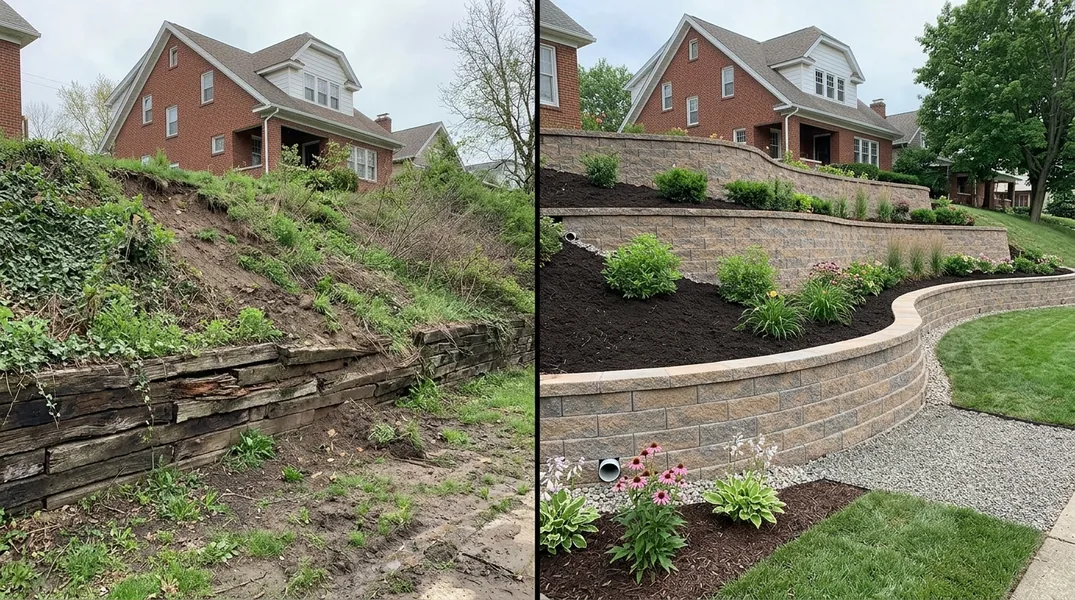
Do You Need a Permit for a Retaining Wall in Toledo?
If you are planning to build a retaining wall on your property in Toledo, one of the first questions you should ask is whether you need a permit. The answer depends largely on the height and location of the wall. Most residential retaining walls that are 4 feet tall or less do not require a building permit, but there are important exceptions. Walls that are taller than 4 feet, walls that support a surcharge (like a driveway or pool), and walls located near property lines or easements often trigger permit requirements.
Local building departments enforce these rules to protect homeowners and neighbors from structural failure. A poorly built wall can collapse, cause soil erosion, or damage adjacent properties. Even if your wall is under the 4-foot threshold, it is smart to call your local building authority to confirm. At Toledo Retaining Wall, we help homeowners navigate these questions every day, and we can tell you exactly what your project needs before any work begins.
The 4-Foot Retaining Wall Permit Rule Explained
The phrase 4 foot retaining wall permit comes up often because many jurisdictions use 4 feet as the magic number. In general, a wall that retains less than 4 feet of soil, measured from the bottom of the footing to the top of the wall, is considered a minor structure and is exempt from permitting. However, this exemption is not universal. Some cities and counties measure height differently, and some require a permit for any wall that is part of a larger grading or drainage plan.
It is also important to understand that stacking a 2-foot wall on top of a 3-foot wall does not automatically avoid the permit. Inspectors look at the total retained height and the overall slope. If you are unsure whether your planned wall crosses the threshold, a quick call to the city is worthwhile. Our team can also review your plans and advise you on the safest, most compliant approach for your property in Sylvania or anywhere in the greater Toledo area.
Retaining Wall Height Limits and What They Mean for Your Project
Beyond permits, there are practical retaining wall height limits that affect design and safety. Most residential retaining walls are built between 2 and 6 feet tall, but once a wall exceeds 4 feet, engineering and permitting requirements often kick in. Walls taller than 4 feet may need a structural design, a geotechnical report, or additional reinforcement such as geogrid. In some cases, a tiered wall system is a better solution than one tall wall, both for permitting and for long-term stability.
Height limits also vary by zoning district and by how close the wall is to a property line. A wall that is 3 feet tall but sits right on the property line may still require a variance or permit. Before you finalize your design, it is wise to check with the local planning office. We regularly install Concrete Retaining Walls and other systems that meet local code, and we can help you choose a height and style that works within the rules.
When to Call a Professional for Retaining Wall Installation Near Me
Even a small retaining wall is a structural project. It has to hold back tons of soil, manage water pressure, and stay stable through freeze-thaw cycles. If you are searching for Retaining Wall Installation near me, it is a sign you want the job done right. A professional installer will assess your soil, drainage, and slope, then recommend a wall type and height that meets local code and performs well over time.
Hiring a pro also saves you from costly mistakes. Improper drainage is the number one cause of wall failure, and it is not something most homeowners can evaluate on their own. We handle permits, excavation, base preparation, drainage, and backfill as part of a complete installation. If you already have a wall that is leaning or cracking, we also offer Retaining Wall Repair and can advise whether repair or replacement is the better investment.
Retaining Wall Installation Cost in Toledo: What to Budget
Homeowners often ask about pricing before they ask about permits, and both matter. The cost of a retaining wall depends on height, length, material, site access, and soil conditions. A short decorative wall might be a few thousand dollars, while a taller engineered wall can run significantly more. Permit fees, if required, are usually a small part of the overall budget, but they can add time to your schedule.
It is important to get a clear, written estimate that separates materials, labor, permits, and drainage work. A low bid that skips drainage or proper base preparation often leads to expensive repairs later. We provide transparent quotes for every project, whether you are in Perrysburg or closer to downtown. If you are comparing options, ask each contractor whether permits are included and how they handle inspections.
Permits, Repairs, and Replacements: Getting It Right the First Time
If your existing wall is failing, you may be facing a Retaining Wall Replacement rather than a repair. In that case, the permit question comes up again. Replacing a wall in the same footprint may still require a permit if the new wall is taller or if the original wall was unpermitted. It is always better to pull the proper permits than to risk fines or a failed inspection when you sell your home.
The bottom line for Toledo homeowners is simple: check the height, check the rules, and when in doubt, ask a professional. A quick conversation can save you weeks of delay and thousands of dollars in rework. If you would like a free estimate or just want to talk through your project, call Toledo Retaining Wall at (419) 574-6333. We will help you understand what permits you need and build a wall that lasts.
Looking for a professional retaining wall contractor in Toledo? Toledo Retaining Wall responds fast for all your retaining wall needs.
Get a Free QuoteOur services: Retaining Wall Installation · Retaining Wall Repair · Retaining Wall Replacement